
A healthy smile is more than just appearance; it reflects your overall dental strength and confidence. Sometimes, teeth get damaged silently, and ignoring early warning signs can lead to bigger problems. Identifying when your tooth needs protection can save you from pain, costly treatments, and long-term oral issues.
Many people delay dental care until pain becomes unbearable, but modern dentistry focuses on prevention and restoration. Treatments like dental crowns help restore damaged teeth before they worsen. Understanding the early signs helps you take timely action and maintain a strong, functional, and beautiful smile.
“Your smile deserves protection, not perfection, dental crowns bring both strength and beauty together.”
What is a Dental Crown?
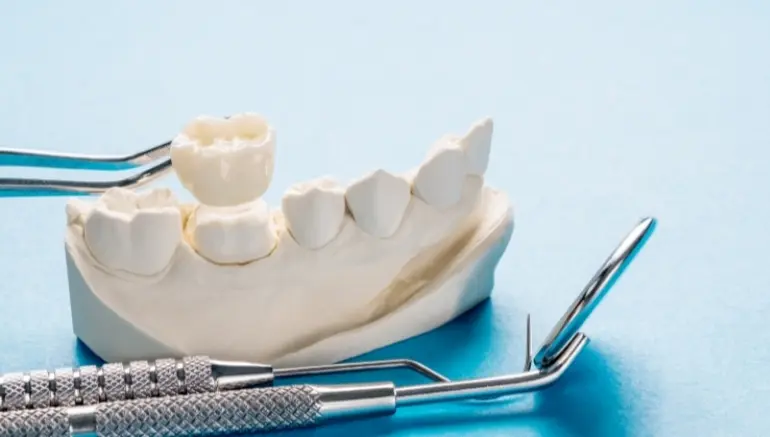
A dental crown is a custom-made cap placed over a damaged, weak, or decayed tooth to restore its shape, strength, and appearance. It acts like a protective shield, covering the entire visible portion of the tooth above the gum line.
Crowns are commonly used after root canal treatments, for broken teeth, or to improve cosmetic appearance. With advancements in dentistry, crowns now look natural and blend seamlessly with your existing teeth, providing both durability and aesthetics. They are designed to match the size, color, and contour of your natural teeth, helping restore both function and confidence in your smile.
7 Signs You Need a Dental Crown
Your teeth often give warning signs before serious damage occurs. Ignoring these signals can lead to tooth loss or infection. Below are the most common indicators that you may need a dental crown in Springtown to protect and restore your tooth.
1. Cracked or Broken Tooth
A cracked or fractured tooth weakens its structure and increases the risk of further damage. Even minor cracks can worsen over time, particularly while chewing. A dental crown covers and stabilizes the tooth, preventing it from breaking further while restoring its full function and strength.
2. Severe Tooth Decay
When decay becomes too extensive for a filling, a crown is often the best solution. It removes the damaged portion and protects the remaining tooth. Crowns help prevent bacteria from spreading deeper into the tooth, reducing the risk of infection and preserving your natural tooth structure.
3. After Root Canal Treatment
Teeth that undergo root canal treatment become fragile and prone to fractures. A crown strengthens the treated tooth and restores its durability. Without proper protection, the tooth may crack under pressure, making a crown essential for long-term success and stability.
4. Worn Down Teeth
Teeth can wear down over time due to grinding (bruxism), aging, or acid erosion. This can affect both appearance and function. Crowns rebuild the original size and shape of worn teeth, improving bite alignment and preventing further damage caused by uneven pressure.
5. Large or Failing Fillings
If you have a large filling that is weakening the tooth or starting to fail, a crown provides better support. It holds the tooth together and prevents it from breaking. Crowns are particularly useful when there is not enough natural tooth structure left to support another filling.
6. Discolored or Misshapen Teeth
For teeth that are severely stained, uneven, or irregular in shape, crowns offer a cosmetic solution. They enhance the appearance of your smile by providing a natural and uniform look, making them a popular option in cosmetic dentistry treatments. Visiting a cosmetic dentist in Springtown can help you achieve a more balanced and confident smile with customized crown solutions designed to meet your needs.
7. Tooth Sensitivity or Pain
Chronic sensitivity to hot or cold foods, or pain while chewing, may indicate internal damage or cracks. A crown helps protect the tooth’s inner layers, reducing pain and preventing further complications that may require more invasive treatments later.
“Small dental issues today can become big problems tomorrow, act early and smile confidently.”
Types of Dental Crowns
Dental crowns come in different materials, each offering unique benefits depending on your needs. Choosing the right type helps provide durability, aesthetics, and long-term comfort.
Porcelain Crowns
Porcelain crowns are highly popular for their natural appearance. They closely mimic the color and texture of real teeth, making them ideal for front teeth. These crowns are stain-resistant and provide excellent cosmetic results for patients seeking a flawless smile.
Ceramic Crowns
Ceramic crowns are metal-free and perfect for patients with allergies or sensitivities. They offer both strength and aesthetics, making them suitable for visible areas. Their biocompatibility allows them to blend well with natural gum tissues and surrounding teeth.
Metal Crowns
Metal crowns, often made of gold or other alloys, are extremely durable and long-lasting. They are less likely to chip or break, making them ideal for molars where strength is more important than appearance. However, their metallic color makes them less suitable for visible teeth.
Porcelain-Fused-to-Metal (PFM) Crowns
PFM crowns combine strength and aesthetics by using a metal base covered with porcelain. They offer durability while maintaining a natural look. These crowns are commonly used for both front and back teeth, providing a balance between functionality and appearance.
Why Choose Frontier Dentistry for Dental Crown
Dental crown treatments require precision, expertise, and a patient-focused approach to deliver long-lasting results. As a dental clinic in Springtown, Frontier Dentistry is committed to providing high-quality care, combining advanced techniques with personalized attention to restore both function and aesthetics of your smile.
- Experienced dental professionals
- Advanced dental technology
- Customized treatment plans
- High-quality crown materials
- Focus on patient comfort
- Long-lasting results
- Trusted care for dental crown in Azle
Conclusion
Protecting your teeth at the right time can save you from complex dental procedures later. If you notice any of these warning signs, seeking professional care early is important. Treatments like dental crowns help restore strength, improve appearance, and support long-term oral health.
Frontier Dentistry provides general and cosmetic dentistry services in Springtown, helping patients receive comprehensive and personalized care. If you need restoration or cosmetic improvement, their expert team is committed to helping you achieve a healthier, more confident smile.
Ready to restore your smile and protect your teeth? Schedule your consultation today with Dr. Caroline Miller at Frontier Dentistry and take the first step toward a healthier, more confident smile.
Frequently Asked Questions About Dental Crowns
Understanding dental crowns can help you make better decisions about your oral health. Many patients have common concerns about the procedure, cost, and longevity. Below are some questions about dental crowns:
1. How long do dental crowns last?
Dental crowns typically last between 10 to 15 years, depending on the material used and how well you care for your teeth. With proper oral hygiene, regular dental checkups, and avoiding habits like teeth grinding, crowns can last even longer and maintain their strength and appearance.
2. Is getting a dental crown painful?
The procedure is generally not painful because dentists use local anesthesia to numb the area. You may feel slight pain after the procedure, but it usually goes away within a few days. Modern techniques make the process comfortable and stress-free for most patients.
3. How much does a dental crown cost?
The cost of a dental crown varies depending on the material, location, and complexity of the case. For accurate pricing and detailed guidance, contact our team at 817-523-4648 so we can better assist you based on your specific needs.
4. Can a dental crown look natural?
Yes, modern dental crowns are designed to match the color, shape, and size of your natural teeth. Materials like porcelain and ceramic provide a very natural appearance, making it difficult to distinguish the crown from surrounding teeth.
5. When should I consider getting a dental crown?
You should consider a dental crown if you have a cracked tooth, large filling, severe decay, or after a root canal treatment. It is also a good option for improving the appearance of damaged or misshapen teeth while restoring their function.