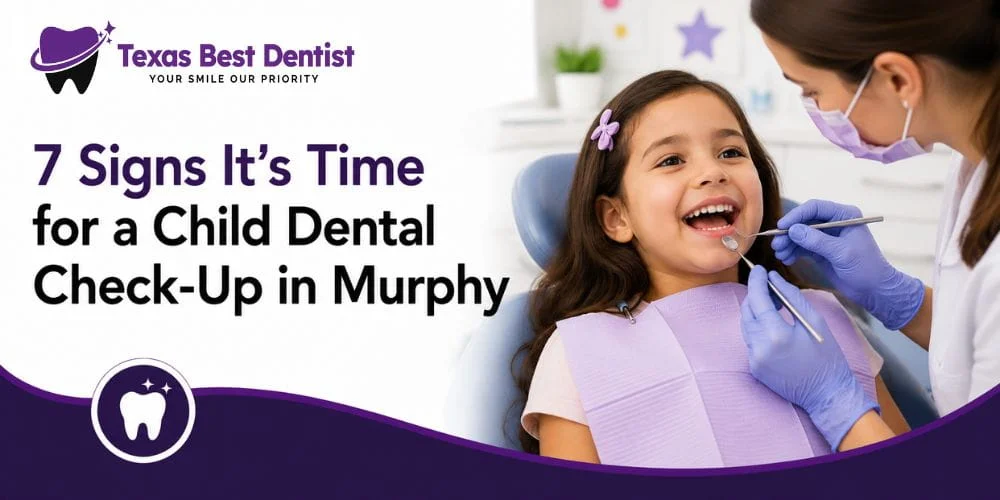
Children can develop dental problems because of plaque buildup, frequent sugary snacks, sweetened drinks, incomplete brushing, closely spaced teeth, or missed preventive visits. According to the CDC, more than half of children have experienced a cavity in their baby teeth by age eight. A timely child dental check-up in Murphy can help detect these concerns early before they lead to pain, eating difficulties, poor sleep, or missed school.
Parents should not wait until their child develops severe tooth pain before arranging an appointment. Dr. Humaira Azeem at Beautiful Smiles helps children and families in Murphy identify early dental concerns and protect developing smiles. A timely examination can prevent minor changes from developing into painful or expensive dental problems.
Dental Changes Parents Should Never Ignore
Children may not always be able to explain tooth pain or discomfort clearly. Instead, they may avoid certain foods, touch their face, become irritable, or resist brushing. Through timely pediatric dentistry in Murphy, parents can have these concerns evaluated early. The 7 warning signs below can help identify when a child may need a professional dental examination.
1. Your Child Complains About Tooth Pain
Tooth pain is a clear sign that your child may need dental care. They may complain of aching, pain when biting, or pain that comes and goes. Younger children may touch their cheek, cry during meals, or avoid brushing one side. A child dental check-up in Murphy can reveal cavities, cracks, gum irritation, trapped food, or infection before the problem worsens.
2. Teeth Become Sensitive to Hot, Cold, or Sweet Foods
Repeated tooth sensitivity should not be ignored. Your child may avoid ice cream, cold drinks, warm meals, or sweet foods and may feel a sharp sensation when biting or brushing. Sensitivity can result from weakened enamel, cavities, cracks, or gum irritation. A kids dentist in Murphy can examine the area and recommend fluoride treatment, a filling, or other care to protect both baby and permanent teeth.
3. You Notice White, Brown, or Black Spots
White, brown, or black spots on a child’s teeth may indicate enamel damage, staining, or tooth decay. Parents should check near the gumline and inside the grooves of back teeth for pits, rough areas, or trapped food. A family dentist for kids can determine if the mark is harmless staining or a dental problem that requires preventive care or treatment.
4. The Gums Look Red, Swollen, or Bleed Easily
Red, swollen, tender, or bleeding gums may signal plaque buildup, trapped food, early gum inflammation, or aggressive brushing. Children may avoid cleaning a sore area, allowing the irritation to worsen and sometimes causing bad breath or pain when eating. A children’s dentist in Murphy can examine the gums, clean hard-to-reach areas, and recommend gentle brushing habits to help restore healthier gums.
5. Bad Breath Continues After Brushing
Bad breath that returns soon after brushing may point to plaque buildup, trapped food, tongue bacteria, dry mouth, cavities, or gum inflammation. Your child may also notice an unpleasant taste or feel embarrassed when speaking closely with others. A family dentist for kids near Wylie can examine the mouth, identify the underlying cause, and recommend proper care instead of simply masking the odor with mints or mouthwash.
6. Your Child Changes How They Eat or Chew
Children may show dental pain by chewing on one side, avoiding crunchy foods, taking longer to eat, or losing interest in favorite meals. Pain can also disturb sleep, increase irritability, and affect concentration at school. A children’s dentist near Parker can examine symptoms such as swelling, discoloration, fever, or ongoing pain and provide early care before the problem affects nutrition and daily activities.
7. A Tooth Is Chipped, Cracked, Loose, or Injured
Children can injure their teeth while playing, participating in sports, falling, or biting hard foods. A tooth may become chipped, cracked, loose, or pushed out of position. Even without severe pain, the injury can affect the tooth’s root, gums, or surrounding bone. Rinse the mouth gently, apply a cold compress for swelling, and contact a dentist if bleeding, discoloration, swelling, or bite changes appear.
What Happens During a Child’s Dental Visit?
A child’s dental visit is designed to check oral health, prevent future problems, and help the child feel comfortable in the dental environment. The dentist reviews the child’s health history, eating habits, brushing routine, and any current concerns before beginning the examination.
- The dentist checks each tooth for cavities, enamel damage, cracks, or unusual changes.
- The gums are examined for redness, swelling, bleeding, or early inflammation.
- The child’s bite, jaw growth, and developing permanent teeth are carefully reviewed.
- A gentle cleaning may remove plaque and buildup from hard-to-reach areas.
- Fluoride treatment or dental sealants may be recommended to strengthen and protect the teeth.
- Parents can discuss thumb-sucking, tooth grinding, mouthguards, crooked teeth, or brushing difficulties.
How Parents Can Help Prevent Dental Problems
Children should brush twice daily with fluoride toothpaste and receive help until they can clean every tooth properly. Parents should begin flossing when neighboring teeth touch, encourage water throughout the day, and limit frequent sugary snacks and drinks. Regular visits to the best kids dentist near Sachse can help detect early dental problems and strengthen cavity prevention.
Children who play contact sports should wear a properly fitted mouthguard to protect their teeth from injury. Routine dental check-ups, fluoride treatments, and sealants can provide extra protection for children at higher risk of cavities. Developing these habits early supports healthy tooth development and helps children maintain strong, confident smiles as they grow.
When Should Your Child First Visit a Dentist?
A child dental check-up in Murphy should ideally begin by the first birthday or within six months after the first tooth appears. Early visits help monitor tooth development, improve brushing habits, and reduce the risk of childhood cavities.
- Schedule your child’s first dental visit by their first birthday, even if no dental problem is visible.
- Visit a dentist when the first tooth appears to receive early guidance on brushing and oral care.
- Arrange an appointment if your child develops tooth pain, sensitivity, or pain when eating.
- Have white, brown, or black spots on the teeth examined before they become larger.
- Contact a dentist after a chipped, cracked, loose, or injured tooth.
- Book routine dental check-ups every six months or as recommended by your child’s dentist.
When Does a Child Dental Check-Up in Murphy Require Urgent Care?
Parents should seek urgent dental care when a child has worsening tooth pain, facial or gum swelling, pus, fever, uncontrolled bleeding, a broken tooth, or an injury that moves a tooth out of position. An emergency dentist for kids can evaluate the problem and help prevent further pain or infection.
Rapidly spreading swelling, difficulty breathing, or trouble swallowing requires immediate medical attention. When arranging care, gently rinse your child’s mouth, apply a cold compress to the outside of the face, and use age-appropriate pain relief only as directed. Avoid leftover medication and never place aspirin directly on the tooth or gums.
Protect Your Child’s Smile With Timely Dental Care
Tooth pain, sensitivity, visible spots, bleeding gums, persistent bad breath, eating changes, and dental injuries should not be ignored. Identifying these signs early may allow the dentist to manage a minor concern before it affects your child’s comfort, nutrition, sleep, or school routine.
Protect your child’s smile with children’s dental care in Murphy. Schedule an appointment with Dr. Humaira Azeem at Beautiful Smiles by calling 469-969-0169 when warning signs appear or a routine dental examination is overdue. A dental evaluation can provide clear answers and help your child maintain a healthy, confident smile.
Frequently Asked Questions
How Do I Know If My Child Needs a Dental Check-Up?
Tooth pain, sensitivity, bleeding gums, bad breath, visible spots, eating changes, or dental injuries may signal a problem. Changes in brushing, chewing, sleeping, or behavior can also indicate pain.
Can a Child Have a Cavity Without Tooth Pain?
Yes. Early cavities may cause no pain and can appear as white, brown, or black spots, rough areas, or food trapping. Regular check-ups help detect decay early.
How Often Should Children Visit the Dentist?
Most children should visit about every six months. The dentist may recommend a different schedule based on age, cavity risk, oral hygiene, and previous dental concerns.
Are Cavities in Baby Teeth Important to Treat?
Yes. Baby teeth support chewing, speech, and spacing for permanent teeth. Untreated cavities can cause pain, infection, eating difficulties, and early tooth loss.
When is a Child’s Toothache a Dental Emergency?
Urgent care may be needed for severe pain, facial swelling, fever, pus, bleeding, or difficulty eating. Trouble breathing, swallowing, or rapidly spreading swelling requires immediate medical attention.