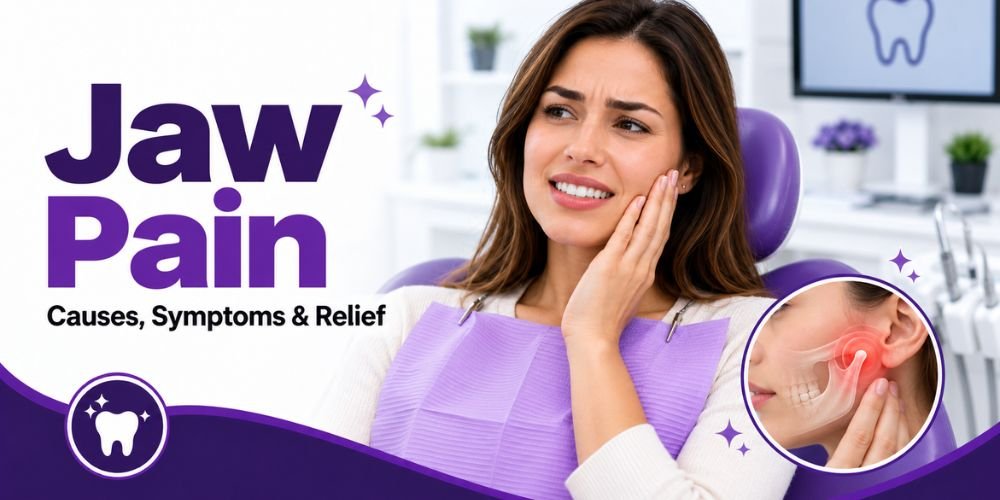
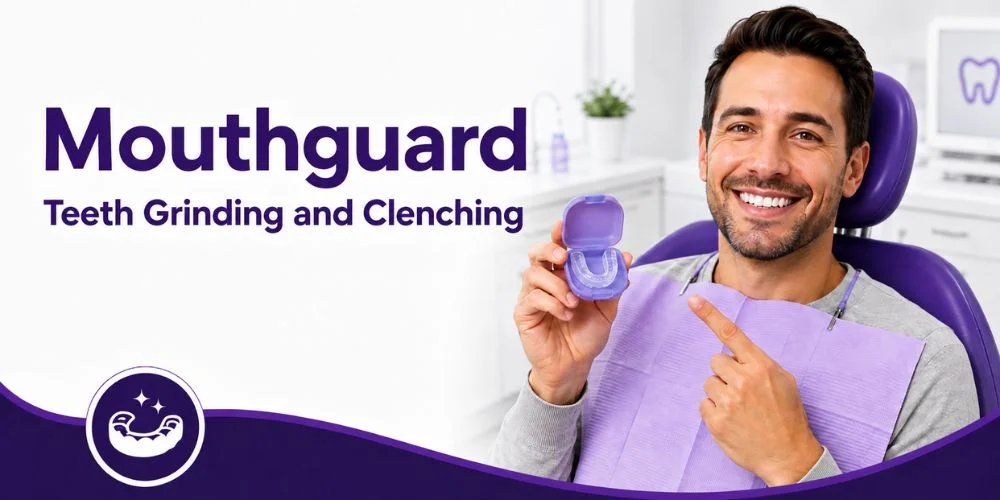
Grinding or clenching your teeth may seem harmless at first, but over time it can wear down enamel, increase tooth sensitivity, trigger jaw soreness, and even lead to chipped or cracked teeth. Many people do it when sleeping without realizing it, which makes the damage easy to miss until pain starts affecting daily life. A properly fitted mouthguard can create a protective barrier between the upper and lower teeth, helping reduce pressure and limit the effects of nighttime grinding.
At Best Dentist in Texas, patients can access best dental care at convenient locations in Dallas, Murphy, Springtown, and Seven Points, TX. If you are waking up with jaw tightness, frequent headaches, or signs of worn teeth, understanding how a mouthguard works can help you decide when it may be time to protect your smile from further grinding and clenching.
Why Dentists Recommend Mouthguards for More Than Just Sports
Mouthguards can do much more than protect teeth during sports. They may also help reduce damage from grinding, support jaw comfort, and play a role in certain sleep-related dental treatments. Our affordable dentists in Texas can evaluate your teeth, bite, and symptoms to determine which type of mouthguard may be the best fit for your needs.
Protecting Your Smile During Sports
Contact sports and high-impact activities can increase the risk of chipped teeth, cuts to the lips and cheeks, and jaw injuries. A properly fitted athletic mouthguard creates a protective cushion around the teeth and gums, helping absorb impact during sudden contact. It can also reduce direct pressure between the upper and lower teeth when an accident occurs.
Supporting Jaw Comfort With TMD
Temporomandibular joint disorder can cause jaw soreness, clicking, headaches, and pain when chewing. In some cases, a dentist may recommend a dental splint to help place the jaw in a more comfortable position. Because every bite is different, these appliances often require best fitting, follow-up visits, and adjustments to maintain comfort and proper jaw alignment.
Helping With Sleep Apnea and Snoring
Certain dental appliances may help manage sleep apnea and snoring by gently moving the lower jaw forward and helping keep the airway more open during sleep. A mouth guard designed for these concerns should be selected with a dentist’s advice, since protecting the teeth from grinding and supporting better airflow may require different appliance designs.
Reducing Damage From Teeth Grinding
Bruxism can wear down enamel, flatten teeth, cause small cracks, and leave the jaw feeling sore. The best night guard for teeth grinding should fit comfortably and protect the teeth from repeated pressure. A mouth guard for sleeping also creates a barrier between the upper and lower teeth, helping reduce friction, clenching pressure, and further nighttime damage.
How Do Dental Mouth Guards Work?
A dental mouth guard helps protect your teeth by creating a cushioned barrier between the upper and lower teeth. It can reduce the pressure caused by clenching and limit the damage linked to nighttime grinding.
Creates a Protective Barrier
A mouth guard for teeth grinding keeps the upper and lower teeth from rubbing directly against each other, helping reduce enamel wear, small cracks, and tooth sensitivity.
Reduces Pressure From Clenching
The guard helps distribute biting force more evenly across the teeth. This can reduce excessive pressure on individual teeth and may also ease tension in the jaw muscles.
Protects Teeth When You Sleep
A custom night guard for teeth grinding is designed to fit your bite securely, providing protection throughout the night without placing unnecessary pressure on the teeth.
Helps Prevent Further Dental Damage
Regular use can help limit continued wear, chipped teeth, and damage caused by repeated grinding. A best dentist in Dallas can also monitor your bite and adjust the guard when needed for better comfort and protection.
Custom-Fit vs. Over-the-Counter Night Guards: Which One Protects Better?
An over-the-counter guard may offer basic protection, but its generic fit can feel bulky, shift during sleep, or place uneven pressure on your teeth. A custom mouth guard is made to match your teeth and bite, providing a more secure fit, better comfort, and dependable protection against repeated grinding and clenching.
Teeth grinding treatment gives your dentist in Springtown TX a chance to check enamel wear, jaw pain, and changes in your bite before choosing the best dental appliance. A properly fitted guard can then reduce tooth-to-tooth friction, ease pressure from clenching, and help protect your smile from further damage.
How to Care for Your Mouthguard and Keep It in Good Shape
A custom mouthguard can help protect your teeth from grinding and clenching, but proper care is what keeps it clean, comfortable, and effective over time. A well-fitted custom mouthguard near me can provide better protection when it is cleaned regularly and stored correctly, helping reduce bacteria, odors, warping, and early wear.
1. Clean It After Every Use
Rinse your mouthguard after removing it and gently clean all surfaces with a soft toothbrush and mild liquid soap or a dentist-recommended cleaner. Rinse it thoroughly, then allow it to dry completely before placing it back in its case.
2. Store It in a Ventilated Case
Keep your mouthguard in a clean case with ventilation holes when you are not wearing it. Store the case in a cool, dry place and keep it away from direct sunlight, hot cars, or other sources of heat that could affect its shape.
3. Avoid Hot Water
Hot or boiling water can soften certain mouthguard materials and change the way the appliance fits your teeth. Use cool or lukewarm water for rinsing and cleaning so your guard keeps its proper shape and remains comfortable to wear.
4. Check for Signs of Wear
Regularly inspect your mouthguard for cracks, rough edges, deep bite marks, thinning areas, or holes. Heavy grinding can gradually wear down the material. A damaged guard may provide less protection and should be checked by a general dentist in Seven Points TX to see if replacement is needed.
5. Bring It to Your Dental Checkups
Take your mouthguard with you to routine dental visits. Your family dentist in Murphy can check its fit, look for signs of wear, and make sure it is still protecting your teeth properly. Regular evaluations can also help identify changes in your bite or grinding habits over time.
Protect Your Smile Before Grinding Causes More Damage
Teeth grinding and clenching can slowly wear down enamel, strain the jaw, and increase the risk of chips, cracks, and sensitivity. A properly fitted mouthguard can help reduce this daily pressure and protect your teeth when you sleep.
At Best Dentist in Texas, patients can receive dental care in Dallas, Murphy, Springtown, and Seven Points, TX. If you are noticing jaw soreness, morning headaches, or signs of worn teeth, book a dental appointment to have your bite evaluated and find out if a custom mouthguard is best for you.
Frequently Asked Questions
Does a Night Guard Stop Teeth Grinding?
A night guard does not always stop the grinding habit itself, but it can protect your teeth from the pressure and friction caused by bruxism. It may also help reduce tooth wear, jaw strain, and morning pain.
How Do I Know If I Grind My Teeth at Night?
Common signs include morning jaw soreness, headaches, sensitive teeth, flattened or chipped teeth, and tight facial muscles. In some cases, a partner may also hear grinding sounds while you sleep.
Is a Custom Night Guard Better Than a Store-Bought Guard?
A custom night guard is made to fit your exact teeth and bite, which usually provides better comfort and a more secure fit. Store-bought guards are less personalized and may not provide the same level of protection for frequent grinding.
Can a Mouthguard Help With Jaw Pain or TMJ?
A mouthguard may help some people who have jaw pain related to nighttime grinding or clenching. The best appliance depends on the cause of the pain, so a dental evaluation is important before using a guard for TMJ symptoms.
How Long Does a Custom Night Guard Last?
The lifespan of a custom night guard depends on the material, how strongly you grind, and how well you care for it. Heavy grinders may wear through a guard sooner, so regular dental checkups can help determine when it needs adjustment or replacement.