A healthy smile can be affected long before tooth pain begins. Dental problems often start when plaque, a sticky layer of bacteria, builds up around the teeth and gums. Poor brushing, sugary foods, tobacco use, dry mouth, and skipped dental visits can increase the risk of cavities and gum disease. Oral diseases affect billions of people worldwide, making daily plaque removal important. This is why many patients compare electric toothbrush vs regular toothbrush to find the better option for daily oral care.
At Best Dentist in Texas, we help patients in Dallas, Springtown, Murphy, Seven Points, and surrounding areas make better everyday oral-care choices. The best toothbrush is not simply the most expensive model. It is the one you can use correctly, comfortably, and consistently. Both electric and manual toothbrushes can clean teeth effectively, but they differ in movement, ease of use, cost, and how much technique they require.
Your Toothbrush Can Shape Your Oral Health
Oral health problems are more common than many people realize. The World Health Organization reports that oral diseases affect about 3.5 billion people, or nearly 45% of the global population. In the United States, CDC data shows that about 1 in 5 adults ages 20 to 64 has at least one untreated cavity. Plaque buildup around the teeth and gumline can lead to gingivitis, bleeding gums, and tooth decay when it is not removed properly.
The best toothbrush, combined with proper brushing habits, can make a real difference in daily plaque control. The American Dental Association recommends brushing twice a day for two minutes with fluoride toothpaste and a soft bristled toothbrush. Both manual and powered toothbrushes can be effective, but good technique, gentle pressure, consistent brushing, and individual oral health needs all play an important role in protecting your teeth and gums.
Electric Toothbrushes Can Make Brushing Easier
An electric toothbrush uses powered movement to clean tooth surfaces more consistently. Depending on the design, the brush head may oscillate, rotate, vibrate, or move side to side. Many models also include timers, pressure sensors, and gentle cleaning modes. These features can be helpful for people who rush, brush too hard, have limited dexterity, or wear orthodontic appliances.
Research also shows a measurable advantage in plaque and gingivitis control. A Cochrane review found that powered toothbrushes reduced plaque by about 11% more after one to three months and about 21% more after three months or longer compared with manual brushes. Gingivitis was reduced by around 6% in the short term and 11% over longer use, although researchers noted that the long term clinical importance of these differences was still uncertain.
Can an Electric Toothbrush Improve Gum Health?
Missing the gumline during brushing can leave plaque behind even when you brush twice a day. For people who struggle with consistent hand movements or find it difficult to clean along the gums, a powered toothbrush may make plaque removal easier and more consistent.
A 2023 population based cohort study linked powered toothbrush use with better periodontal measures, including lower plaque and bleeding levels and fewer missing teeth. However, it did not show a significant benefit for decayed or filled tooth surfaces. This means an electric toothbrush can support plaque control, but fluoride toothpaste, interdental cleaning, diet, regular dental checkups, and consistent brushing still play an important role in overall oral health.
Manual Toothbrushes are Still a Strong Choice
A regular toothbrush remains an excellent option. It is affordable, widely available, travel friendly, and needs no charging. Its main limitation is that you create all the cleaning movement, so rushing, missing back teeth, or scrubbing aggressively can reduce effectiveness. A dental clinic in Seven Points TX can also help patients improve brushing technique based on their specific oral health needs.
The ADA recommends soft bristles to help reduce the risk of gum abrasion. It also suggests placing the brush at about a 45 degree angle toward the gumline and using gentle, short strokes. Dental cleaning the outer, inner, and chewing surfaces matters more than brushing hard.
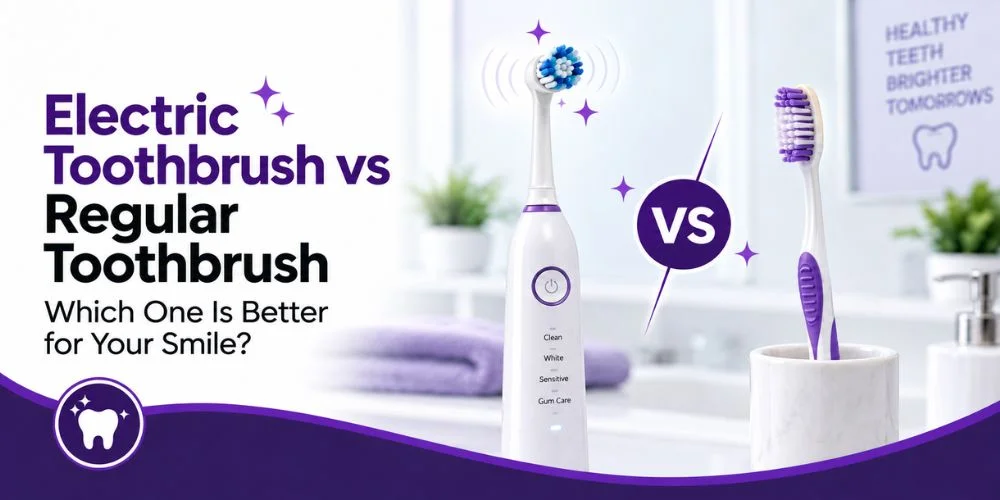
Electric Toothbrush vs Regular Toothbrush
Both electric and manual toothbrushes can support good oral health, but each option works differently. The better choice depends on your brushing habits, comfort, oral health needs, and how consistently you follow your daily routine. A best dentist in Springtown TX can also help you choose the toothbrush that fits your oral care needs.
Electric Toothbrush
Electric toothbrushes use powered movements to clean the teeth and may provide better plaque control for some users. Features such as built-in timers, pressure sensors, and guided brushing can make it easier to brush for the recommended two minutes. They may also be helpful for people with braces, limited hand movement, or difficulty maintaining a consistent brushing technique.
Regular Toothbrush
A regular toothbrush is simple, affordable, easy to carry, and effective when used with the best technique. It gives the user full control over brushing pressure and movement. For people who already brush thoroughly twice a day, use soft bristles, and clean all tooth surfaces properly, a manual toothbrush can be a reliable choice for maintaining healthy teeth and gums.
| Feature | Electric Toothbrush | Regular Toothbrush |
|---|---|---|
| Plaque Removal | Research shows powered toothbrushes may reduce plaque more effectively over time. | Effective when proper brushing technique and consistent use are maintained. |
| Gum Health | May provide an additional benefit in reducing gingivitis and gumline plaque. | Can support healthy gums when used gently and correctly. |
| Timer and Pacing | Many models include a 2-minute timer and 30-second pacing alerts. | Brushing time usually needs to be tracked manually. |
| Pressure Control | Some models include pressure sensors that alert users when they brush too hard. | Users need to control brushing pressure themselves. |
| Ease of Use | Can be easier for people with braces, arthritis, or limited hand movement. | Requires more manual movement and brushing control. |
| Cost | Usually more expensive and requires replacement brush heads. | Generally affordable and inexpensive to replace. |
| Travel Convenience | May require a charger, batteries, or a travel case. | Lightweight, portable, and requires no power source. |
Which Toothbrush Removes More Plaque?
Electric toothbrushes generally have a stronger research advantage when it comes to plaque removal. However, results still depend on how consistently and correctly you brush. A person who uses a manual toothbrush properly twice a day may achieve better results than someone who owns an expensive electric brush but uses it inconsistently.
The toothbrush itself is only one part of good oral hygiene. Neither electric nor manual brushes can fully clean the tight spaces between teeth, where plaque and food particles can remain. Daily flossing or another dentist recommended interdental cleaning method is also important for maintaining healthy teeth and gums. A best dentist in Murphy can also recommend the best cleaning approach based on your oral health needs.
Who May Benefit Most From an Electric Toothbrush?
An electric toothbrush may be a good option if you wear braces, have arthritis or limited dexterity, struggle to brush for two minutes, tend to brush too hard, or repeatedly leave plaque near the gumline. Timers, pressure sensors, and guided brushing features can also help some people stay more consistent with their daily routine.
However, if a manual toothbrush already helps you maintain healthy gums and good plaque control, there may be no strong reason to switch just because powered brushes are popular. The goal when comparing electric toothbrush vs regular toothbrush should be better daily plaque control and easier brushing, not simply choosing the most expensive device.
Sensitive Teeth or Bleeding Gums Need More Than a New Brush
Pain when brushing, frequent gum bleeding, or sudden tooth sensitivity can point to more than just the wrong toothbrush. Gum inflammation, gum recession, cavities, worn enamel, plaque buildup, or cracked teeth may cause these symptoms. Bleeding gums can also be an early sign of a developing gum problem that should not be ignored.
Use soft bristles and gentle pressure, and avoid aggressive scrubbing around sensitive areas. When pain, bleeding, or sensitivity continues, schedule a dental evaluation with the best dentists in Texas so the cause can be identified. Finding a cavity, gum problem, or enamel issue early is usually easier to manage than waiting until pain becomes severe or affects eating and daily brushing.
How to Get Better Results With Either Toothbrush
A better toothbrush only works when your daily brushing routine is best. Brush twice a day for two minutes with fluoride toothpaste, use soft bristles, clean every reachable tooth surface, and clean between your teeth every day. The ADA also recommends replacing a manual toothbrush or electric brush head every three to four months, or sooner if the bristles become matted or frayed.
Brushing harder does not make your teeth cleaner and may irritate your gums. Good brushing should be gentle, controlled, and thorough. If you are not confident about your technique, a dentist near Dallas can show you where plaque tends to build up and how to clean those areas more effectively.
The Verdict: Electric or Regular?
There is no single toothbrush that works best for every patient. Research suggests that electric toothbrushes may provide an advantage in reducing plaque and gingivitis, particularly for people who benefit from powered movement, timers, and pressure control. Manual toothbrushes are still effective, affordable, and convenient when used with proper technique and a consistent brushing routine. If you do not know which option suits your oral health needs, a best dental clinic in Dallas can provide personalized guidance.
If your plaque control and gum health are already good, switching to an electric toothbrush may offer only a modest benefit. However, people with braces, limited dexterity, poor brushing technique, or recurring gumline plaque may find a powered brush easier to use. When comparing electric toothbrush vs regular toothbrush, the best choice is the one that helps you brush thoroughly for two minutes, twice a day, and protects your teeth and gums.
Get Personalized Toothbrush Advice from Best Dentist in Texas
Your choice should depend on your oral health, not advertising. If you have bleeding gums, sensitivity, braces, recurring plaque, cavities, or brushing concerns, a dental exam can identify what your smile needs.
Best Dentist in Texas serves Dallas, Springtown, Murphy, Seven Points, and surrounding areas. Our dental team can review brushing habits, check gum health, look for early decay, and recommend an oral care routine that fits your needs. Book an appointment for personalized guidance.
Frequently Asked Questions
Is an Electric Toothbrush Really Better Than a Regular Toothbrush?
Powered toothbrushes can reduce plaque and gingivitis more on average, but both types can be effective. Good technique, fluoride toothpaste, consistent brushing, and interdental cleaning remain essential.
Can an Electric Toothbrush Damage Gums?
Too much pressure can irritate gums with either type of toothbrush. Soft bristles and gentle pressure are important. Some powered brushes include pressure sensors for people who tend to scrub too hard.
Which Toothbrush Is Better for Sensitive Teeth?
A soft manual brush or an electric toothbrush with a gentle mode may both work well. Persistent sensitivity should be checked by a dentist because cavities, enamel wear, gum recession, or other problems may be responsible.
How Often Should I Replace My Toothbrush?
Replace your toothbrush or electric brush head about every three to four months, or sooner when the bristles become visibly worn, matted, or frayed.