A sudden burst of cold air can turn a comfortable winter morning into a painful moment when your teeth react with sharp sensitivity. Even drinking cold water or enjoying your favorite holiday treats may cause unexpected tooth pain. Teeth sensitive to cold can be linked to worn enamel, exposed tooth roots, gum recession, or hidden dental problems. Understanding what triggers this sensitivity is the first step toward protecting your smile.
At Beautiful Smiles, Dr. Mona Ahmedin, Dr. Humaira Azeem, and Dr. Hassan Asghar help patients identify the causes of tooth sensitivity and explore suitable dental treatments. Our clinic welcomes patients from Murphy, Wylie, Sachse, Parker, Lucas, Plano, and Richardson. Healthy teeth deserve proper care in every season. Our dental team provides routine examinations and sensitive teeth treatment in Murphy TX, helping patients identify the causes of tooth sensitivity and maintain healthier smiles throughout the colder months.
Why Do My Teeth Hurt in Cold Weather?
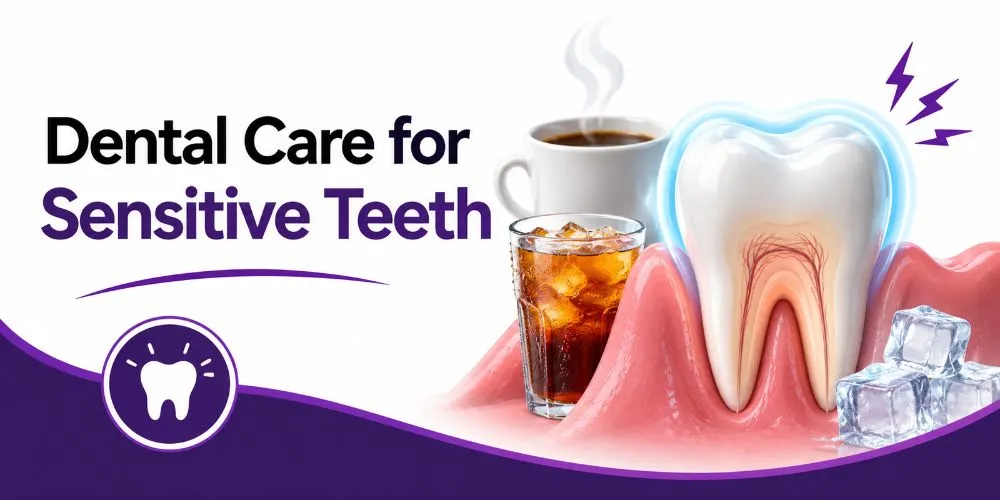
Cold air does not usually damage healthy teeth, but it can trigger sharp tooth pain when their protective layers become thin or exposed. Tooth enamel protects the sensitive dentin underneath, which contains tiny channels connected to the nerves inside the tooth. When enamel wears down or gums recede, cold temperatures can stimulate these nerves, causing sudden tooth sensitivity that may make eating, drinking, or breathing cold air painful.
During November and December, tooth sensitivity may become more noticeable when breathing through the mouth outdoors or drinking cold beverages. These temperature changes can reveal dental problems that have been developing for months, including exposed tooth roots, cavities, or gum disease. A dental examination can help identify the exact cause of tooth pain and determine which treatment may help protect your teeth during colder weather.
“Cold weather may trigger tooth sensitivity, but the underlying cause often begins long before the temperature drops.”
Common Causes of Tooth Sensitivity During Cold Weather
Cold weather can make existing dental problems more noticeable, particularly when tooth enamel becomes thin or sensitive areas are exposed. Understanding the causes of teeth sensitive to cold can help you identify possible warning signs and know when to seek dental care. Here are six common reasons your teeth may hurt during colder months.
How Worn Enamel Triggers Cold Sensitivity
Tooth enamel protects the inner layers of your teeth from temperature changes. Frequent acidic drinks, aggressive brushing, and natural wear can weaken this protective layer. Once dentin becomes exposed, cold air and beverages may trigger sharp tooth pain. Depending on the cause, dentists may recommend fluoride treatments, desensitizing toothpaste, or protective dental restorations.
Gum Recession and Exposed Tooth Roots
Gum recession occurs when gum tissue pulls away from the teeth, leaving sensitive root surfaces exposed. These areas do not have the same protective enamel covering as the visible crowns of teeth, making them more sensitive to cold temperatures. At Beautiful Smiles, Dr. Hassan Asghar, a periodontist in Murphy TX, provides specialized gum disease treatment to help patients manage gum recession, protect exposed tooth roots, and maintain healthier teeth and gums.
3. Tooth Decay and Cavities
Dental cavities develop when acids produced by bacteria damage tooth enamel and create small openings in the tooth. As decay progresses, cold drinks, sweet foods, or outdoor air may cause sensitivity. Pain affecting one particular tooth can be a warning sign of a cavity. Early dental examinations help detect decay and determine if a filling or another restorative treatment is needed.
4. Cracked or Damaged Teeth
A small crack in a tooth can expose sensitive internal structures to temperature changes. Patients may notice sudden pain when drinking cold water, chewing food, or releasing biting pressure. Some cracks are difficult to see without a dental examination. Treatment depends on the location and severity of the damage and may include dental bonding, crowns, or other restorative procedures.
5. Teeth Grinding and Clenching
Grinding or clenching your teeth, also called bruxism, can gradually wear down enamel and place excessive pressure on the teeth. This may increase sensitivity to cold temperatures and contribute to jaw soreness or tooth damage. Dentists can examine signs of grinding and recommend suitable treatment, which may include a custom nightguard to help protect the teeth.
6. Sensitivity After Recent Dental Treatment
Some patients notice temporary sensitivity after dental cleanings, fillings, crowns, or teeth whitening treatments. This usually happens because the teeth or surrounding tissues need time to settle after treatment. Mild sensitivity often improves naturally, but severe or worsening pain should be evaluated. A follow-up examination can help determine if additional dental care is necessary.
When Does Cold Tooth Sensitivity Need Dental Attention?
A brief sensation after drinking something cold does not always indicate a serious dental problem. However, tooth pain that continues after the cold sensation fades or affects one particular tooth may require attention. A tooth pain dentist in Murphy TX can examine your teeth, identify possible causes, and recommend suitable treatment before the problem becomes more serious.
- Tooth pain that lasts can continue after eating or drinking.
- Sharp pain in one tooth may indicate a cavity or cracked tooth.
- Bleeding or receding gums may require a dentist for bleeding gums in Murphy
- Pain when chewing can indicate tooth damage or inflammation.
- Increased tooth sensitivity can make teeth react strongly to cold foods or drinks.
- Swelling or fever may require urgent care from an emergency dentist.
“A sensitive tooth may need simple preventive care, but persistent pain deserves a closer examination.”
What Treatments Can Help Sensitive Teeth in Murphy, TX?
Tooth sensitivity treatment depends on the underlying cause, including worn enamel, gum recession, cavities, or damaged teeth. A dental clinic in Murphy TX can examine your teeth, identify sensitive areas, and recommend suitable treatment based on your oral health needs. Here are seven common treatments that may help reduce tooth sensitivity and protect your teeth.
Desensitizing toothpaste
Desensitizing toothpaste contains ingredients that help reduce pain signals or block exposed dentin channels. Regular use can make teeth less sensitive to cold air, drinks, and certain foods. Results may take several weeks, depending on the product and the cause of sensitivity. Your dentist can recommend a suitable toothpaste based on your dental condition.
Fluoride treatment
Fluoride treatment helps strengthen tooth enamel and may reduce sensitivity caused by exposed dentin. Dentists apply fluoride varnish or other concentrated fluoride products directly to affected teeth. This treatment is commonly recommended for patients with enamel wear or increased cavity risk. Additional dental care may be necessary if sensitivity results from another underlying problem.
Dental bonding
Dental bonding uses tooth-colored composite resin to cover certain exposed root surfaces or repair small areas of damaged enamel. The material creates a protective barrier that can reduce sensitivity to cold temperatures. This treatment may also improve the appearance of affected teeth. Your dentist will determine if bonding is appropriate after examining the sensitive areas.
Tooth-colored fillings
Cavities can expose sensitive tooth structures, causing sharp pain when eating or drinking cold foods. Tooth-colored fillings repair areas damaged by decay and help restore the tooth’s protective structure. During treatment, the dentist removes decayed material and fills the affected area with composite resin. Early treatment can help prevent cavities from progressing further.
Dental crowns
Dental crowns cover damaged or weakened teeth to restore their shape, strength, and appearance. They may help reduce cold sensitivity caused by certain cracks, large fillings, or structural damage. A crown protects the remaining tooth structure, but it may not resolve sensitivity caused by nerve inflammation. Your dentist will evaluate the tooth before recommending treatment.
Periodontal care
Gum recession can expose tooth roots, making teeth more sensitive to cold air and beverages. Periodontal treatment focuses on managing gum disease and protecting the tissues supporting your teeth. Depending on the condition, treatment may include deep cleaning or gum grafting. A periodontal examination helps determine the appropriate care for exposed roots and gum-related sensitivity.
Root canal treatment
Severe tooth sensitivity that continues after cold exposure may indicate inflammation or infection inside the tooth. Root canal treatment removes damaged or infected pulp tissue, cleans the root canals, and seals the tooth. A root canal dentist in Murphy can help preserve a natural tooth when the pulp cannot recover. A dental examination and appropriate testing help confirm if treatment is necessary.
Keep Your Smile Healthy and Comfortable This Winter
Cold weather shouldn’t make everyday activities like drinking water, enjoying meals, or spending time outdoors painful. Understanding the causes of tooth sensitivity and receiving proper dental care can help protect your teeth and gums. At Beautiful Smiles, Dr. Mona Ahmedin, Dr. Humaira Azeem, and Dr. Hassan Asghar provide general, preventive, restorative, and periodontal dental care. Our dental team helps patients identify the causes of tooth pain and explore suitable treatment options for healthier smiles throughout the year.
Healthy teeth deserve attention in every season, and finding the best dentist in Murphy TX can make dental care easier for your family. Beautiful Smiles welcomes patients from Murphy, Wylie, Sachse, Parker, Lucas, and Plano at 619 W Farm to Market 544, Suite 1B, Murphy, TX 75094. Patients looking for a dentist accepting new patients in Murphy TX can contact our office to confirm appointment availability. Don’t let cold sensitivity affect your daily routine. Call 469-969-0169 today to schedule a dental evaluation and take the next step toward a healthier smile.
Frequently Asked Questions
Why do my teeth suddenly hurt when I breathe cold air?
Cold air can trigger tooth pain when worn enamel or receding gums expose sensitive dentin. The resulting pain is often sharp and temporary. Persistent pain may indicate a cavity, cracked tooth, or another dental condition requiring examination.
Why do I feel sharp tooth pain when drinking cold water?
Sharp pain from cold water can occur when exposed dentin allows temperature changes to stimulate nerves inside the tooth. Cavities, damaged fillings, and tooth fractures may also cause similar symptoms. A dentist can help identify the cause.
Can cold weather cause permanent tooth damage?
Cold air alone generally does not cause permanent damage to healthy teeth. However, existing enamel erosion, gum recession, cavities, or cracks may become more noticeable in cold temperatures. These underlying conditions may require dental treatment.
Can sensitive teeth become normal again?
Tooth sensitivity can sometimes improve with desensitizing toothpaste, fluoride treatment, or treatment of the underlying cause. However, lost enamel does not naturally grow back. The outlook depends on the condition affecting the tooth and the care provided.
When should I see a dentist for cold-sensitive teeth?
Schedule a dental examination if sensitivity continues, becomes stronger, affects one tooth, or causes discomfort after the cold stimulus is removed. Swelling, fever, or severe pain may indicate an infection or another urgent dental problem.