Gum disease is one of the biggest reasons adults lose teeth, but the good news is you don’t have to wait until it becomes serious. With the right periodontal care, you can stop gum infection early, protect your jawbone, and keep your natural smile strong for years. Many people ignore bleeding gums or bad breath, thinking it’s “normal,” but these are often the first warning signs that your gums need attention.
Gum disease is also extremely common, affecting nearly 42% of American adults aged 30 and older. The tricky part is that it often starts quietly, without strong pain. That’s why early diagnosis matters so much because the sooner you treat gum disease, the easier it is to control and the more damage you can prevent. At Texas Smile Dental Center, Dr. Hassan Asghar, DDS, MS, MDS, provides advanced periodontal treatment options designed to restore gum health, improve comfort, and help patients maintain a clean, confident smile. Below are four of the most effective treatments used to manage gum disease and protect your teeth long-term.
Periodontal Treatments to Protect Your Gums and Save Your Smile
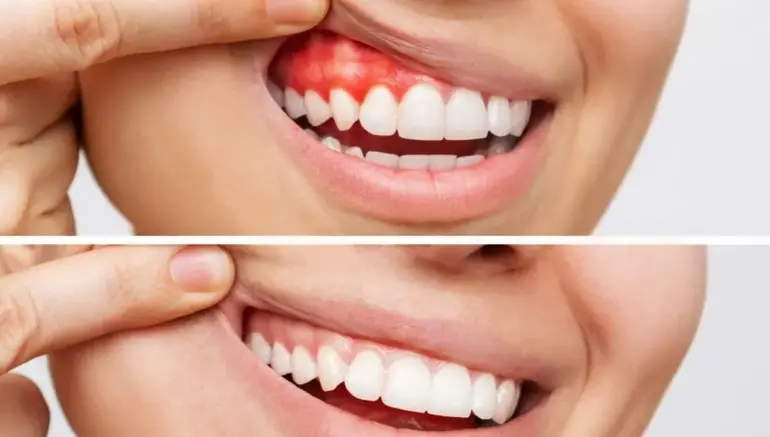
Bleeding gums, swelling, and gum recession are common signs that infection may be developing under the gumline. Professional periodontal care helps remove bacteria, reduce gum pockets, and protect the bone that supports your teeth. At Texas Smile Dental Center, we provide Periodontics Dentistry Services in Dallas with modern solutions designed to improve long-term gum health and prevent tooth loss.
1) Scaling and Root Planing
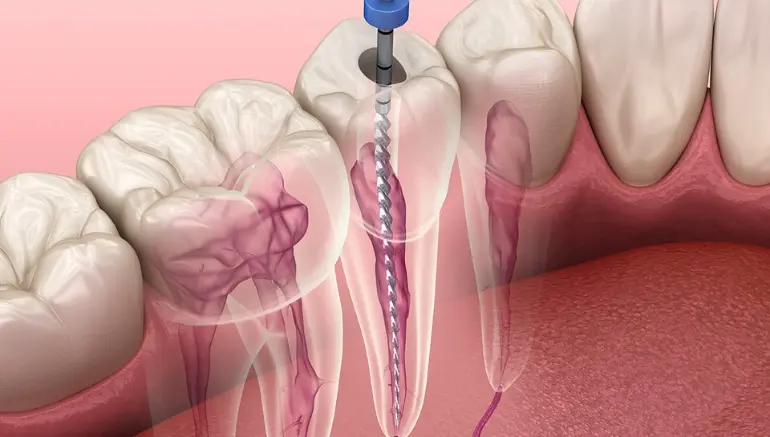
Scaling and root planing is often the first step when gum disease has progressed beyond mild gingivitis. It is a deep cleaning treatment that removes harmful plaque and tartar from below the gumline. This helps reduce infection and gives your gums a chance to heal naturally.
What it is
Scaling and root planing is a non-surgical periodontal therapy. It focuses on cleaning areas that regular brushing and flossing can’t reach, especially deep pockets where bacteria hide and multiply.
How it works
- Scaling removes plaque and hardened tartar from the teeth and beneath the gumline.
- Root planing smooths the tooth roots, making it harder for bacteria to stick again.
Benefits for patients
This treatment can reduce gum bleeding, swelling, and bad breath. It also helps shrink periodontal pockets, lowering the risk of future bone loss and tooth mobility. Many patients notice their gums feel healthier within a few weeks after treatment.
2) Antibiotic Therapy
Deep cleaning alone may not fully control gum infection in some cases, especially when aggressive bacteria are present. Antibiotic therapy supports periodontal treatment by targeting the bacteria causing inflammation and tissue breakdown.
What it is
Antibiotic therapy uses medication to reduce infection in the gums. Depending on your condition, antibiotics may be placed directly into gum pockets or prescribed in pill form.
How it works
Your dentist may recommend antibiotics when:
- Gum pockets are deep and difficult to clean completely
- Infection keeps returning
- There is persistent swelling, bleeding, or pus around the gums
Benefits for patients
Antibiotic therapy can speed up healing, reduce inflammation, and improve the success of deep cleaning treatments. It is especially helpful for patients who have moderate to advanced gum disease and want to avoid more invasive procedures when possible, making it a trusted option for gum disease treatment in Dallas.
3) Gum Flap Surgery
Advanced gum disease allows bacteria to hide deep under the gums where tools can’t reach during a normal deep cleaning. Gum flap surgery may be recommended to clean the infection more thoroughly and protect the supporting bone.
What it is
Gum flap surgery (also called periodontal flap surgery) is a procedure where the gum tissue is gently lifted back so the dentist can access deep deposits of tartar and bacteria. After cleaning, the gum tissue is placed back into position to heal properly.
How it works
During the procedure:
- The gums are carefully opened to expose the root surfaces
- Deep plaque and tartar are removed
- The area is cleaned to reduce infection
- The gums are secured back in place for healing
Benefits for patients
Flap surgery can stop gum disease from worsening and helps reduce deep pockets that trap bacteria. It also supports healthier gum reattachment and makes it easier to maintain gum health with brushing and flossing after recovery.
4) Dental Bone Graft
Gum disease doesn’t only affect the gums, it can also destroy the jawbone that supports your teeth. Bone loss can lead to loose teeth, shifting, and a higher risk of tooth loss. Dental bone grafting helps rebuild lost bone and strengthen your foundation.
What it is
A dental bone graft is a procedure that replaces or regenerates missing bone in the jaw. The graft material may come from a safe medical source or synthetic material designed to support new bone growth.
How it works
Bone grafting is often recommended when:
- Gum disease has caused bone shrinkage around teeth
- A tooth is at risk due to lack of support
- A patient needs stronger bone support for future dental work
Benefits for patients
Bone grafting can help preserve natural teeth and prevent further damage. It also strengthens the jaw and improves overall bite support. For many patients, it is a key step in restoring both oral function and confidence.
Signs You May Need Periodontal Treatment
Many patients don’t realize gum disease is developing until it becomes more serious. These symptoms often mean it’s time to schedule an evaluation:
- Bleeding while brushing or flossing
- Swollen, red, or tender gums
- Bad breath that doesn’t go away
- Gum recession (teeth look longer)
- Loose teeth or changes in bite
- Pain while chewing
- Pus or infection around the gumline
Why Choose Texas Smile Dental Center for Gum Disease Care?
When it comes to saving your gums and protecting your teeth, experience and the right treatment plan matter. At Texas Smile Dental Center, we focus on stopping gum disease at the source while helping you feel comfortable and confident throughout your care. Searching for a Periodontist near me in Dallas leads many patients to our team for expert periodontal care that protects your gums today and your smile for the future.
- Advanced evaluation for gum disease and bone loss
- Personalized treatment planning for mild to advanced cases
- Gentle care approach for nervous patients
- Modern techniques for deep cleaning and infection control
- Focus on saving natural teeth whenever possible
- Clear guidance for home care and prevention
- Friendly team and supportive environment
Book Your Periodontal Consultation Today
Patients searching for Periodontics in Dallas often wait too long, hoping symptoms will go away on their own. Gum disease can quietly damage your smile, but the right treatment at the right time can protect your teeth, gums, and jawbone. Getting expert care early helps reduce complications and supports long-term oral health.
Texas Smile Dental Center provides trusted Gum Disease Treatment in Dallas with advanced options designed around your needs. Patients looking for the best periodontist in Dallas can schedule a visit for a personalized evaluation and clear treatment plan. Complete care is also available for additional needs, including wisdom teeth removal in Dallas, making it easier to get everything done in one place.
Frequently Asked Questions About Periodontists
1) When should I see a periodontist?
You should see a periodontist if you have bleeding gums, gum recession, persistent bad breath, loose teeth, swelling, or pain while chewing.
2) What does a periodontist do?
A periodontist treats gum disease and bone loss, performs deep cleanings (scaling and root planing), gum grafting, and helps protect the foundation of your teeth.
3) Is periodontal treatment painful?
Most periodontal treatments are comfortable with local anesthesia. Patients may feel mild soreness after treatment, but it usually improves within a few days.
4) Can gum disease be cured permanently?
Early gum disease can often be controlled and reversed with proper treatment and home care. Advanced gum disease can’t always be fully reversed, but it can be managed to prevent further damage.