A healthy set of teeth does more than complete your smile. It supports proper chewing, clear speech, and balanced facial structure. When even one tooth is lost, it can disrupt this harmony and gradually affect your oral health. Losing a tooth might not seem urgent, but its impact reaches far beyond appearance. It can change how you eat, speak, and even how confident you feel about your smile.
In Dallas, many patients delay treatment, not realizing how much a single missing tooth can alter their bite and facial structure over time. Replacing that missing tooth with a dental bridge remains one of the most reliable ways to restore balance, function, and confidence in your daily life. Those exploring options for dental bridges in Dallas or searching for a best dentist near me will find this guide helpful in understanding the entire process from evaluation to long-term care.
“Strong bridges create strong smiles, restoring balance, comfort, and beauty.”
What Is a Dental Bridge?
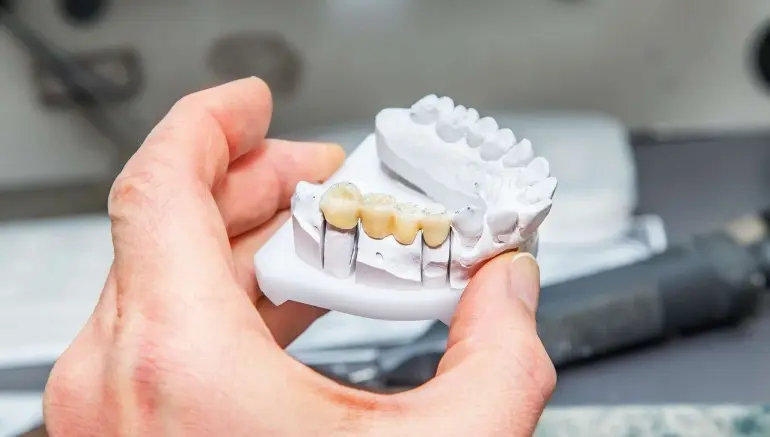
A dental bridge is a restorative solution used to fill the gap left by missing teeth. It includes an artificial tooth called a pontic that attaches to the neighboring teeth or implants for support. These bridges are carefully shaped and shaded to match your natural teeth, creating a seamless and strong result.
At a Dallas dental clinic, your dentist will examine your oral health, gum strength, and bite alignment to decide which type of bridge best suits your condition. Because bridges are fixed restorations, they provide stability that removable dentures cannot, allowing you to eat, talk, and smile comfortably without worry.
Consequences of Untreated Tooth Loss
Many people underestimate how untreated tooth loss can affect oral health. Dallas dentists often emphasize that replacing missing teeth early helps protect surrounding teeth and prevent bone deterioration. When a tooth is lost, the neighboring teeth start drifting toward the empty space, causing misalignment and bite imbalance. This leads to uneven chewing, jaw discomfort, and even headaches. The absence of a tooth root can also cause gradual bone loss in the jaw, which changes facial contours and creates a prematurely aged appearance. Speech clarity may decline, and over time, facial sagging becomes noticeable due to reduced structural support. These issues often progress silently, which is why local Dallas dental clinics recommend replacing missing teeth as early as possible to maintain healthy function and prevent complex dental problems later.
Four Types of Dental Bridges
Dental bridges come in several forms, each designed to meet different patient needs. Understanding the options helps you and your Dallas dentist choose the most suitable approach.
Traditional Dental Bridge
This is the most common type and involves placing crowns on the teeth adjacent to the missing space. The artificial tooth in between fills the gap, creating a stable and natural-looking result. It’s ideal for patients who have healthy, natural teeth on both sides and want a strong, durable restoration.
Cantilever Dental Bridge
This option uses only one supporting tooth next to the missing space. It’s suitable for specific cases where there’s only one adjacent tooth available for anchoring. However, it’s usually placed in less pressure-intensive areas of the mouth to prevent undue strain.
Maryland Bonded Bridge
A resin-bonded bridge, commonly known as a Maryland bridge, uses a thin metal or porcelain framework bonded to the back of adjacent teeth. It’s often recommended for replacing front teeth because it requires minimal alteration of natural enamel while maintaining a seamless, natural appearance.
Implant-Supported Bridge
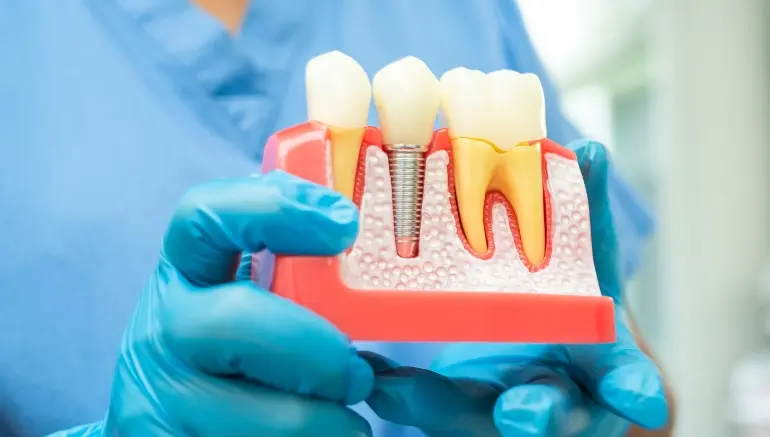
The most advanced type, this bridge uses dental implants as anchors instead of natural teeth. It’s ideal for patients missing several teeth in a row. Implant-supported bridges are highly stable, preserve jawbone health, and can last for decades with proper care.
“A dental bridge doesn’t just replace a tooth; it rebuilds your confidence to smile freely.”
Benefits of Dental Bridges
Replacing a missing tooth goes beyond aesthetics as it restores harmony to your entire oral system. A Dallas dental clinic offering dental bridges focuses on both functional and cosmetic outcomes. Here’s how a bridge benefits you:
- Restores Full Chewing Function: Dental bridges help you enjoy your favorite meals again without discomfort or shifting. They distribute bite pressure evenly across the mouth, preventing excessive wear on remaining teeth.
- Maintains Facial Structure: By supporting the jaw and surrounding muscles, bridges prevent the sunken look often associated with missing teeth.
- Prevents Teeth from Shifting: A bridge fills the empty space, stopping neighboring teeth from tilting or rotating into the gap, which helps maintain a proper bite and reduces the risk of gum disease.
- Improves Speech and Confidence: Missing teeth can affect speech clarity and self-esteem. A dental bridge restores both, allowing you to speak and smile confidently in social or professional settings.
- Durability and Natural Look: Modern dental materials such as porcelain and zirconia make bridges strong, stain-resistant, and nearly identical to natural teeth.
How Dental Bridges Work
The dental bridge procedure in Dallas usually involves multiple steps over two or three visits, depending on the complexity of your case.
1. Initial Consultation
During your first visit, the dentist performs a comprehensive oral exam and takes digital X-rays or 3D scans to understand your bone structure and surrounding teeth. Impressions of your teeth are taken to design a precise, natural-looking bridge.
2. Tooth Preparation
For traditional bridges, the supporting teeth are gently reshaped so that crowns can fit securely over them. This process helps provide a stable foundation for the bridge. Local anesthesia is used to keep you comfortable throughout the procedure.
3. Temporary Bridge Placement
While the permanent bridge is being crafted at the dental lab, a temporary bridge is placed to protect your teeth and gums. This temporary version maintains your smile and allows you to eat soft foods while waiting for the final restoration.
4. Final Bridge Placement
Once your customized bridge is ready, your best Dallas dentist checks the fit, color, and bite alignment. Adjustments are made as needed before permanently cementing it into place. Afterward, you’ll receive care instructions for cleaning and maintaining your bridge.
What to Expect from Dental Bridges
After receiving your dental bridge, you can expect a short adjustment period while your mouth adapts to the new restoration. Some mild gum tenderness or sensitivity may occur initially but improves within a few days. Most patients in Dallas can return to normal routines almost immediately, resuming speaking and chewing comfortably.
Long-term maintenance is simple: brush twice daily, floss carefully using bridge flossers, and attend regular check-ups at your Dallas dental clinic. Professional cleaning every six months helps maintain gum health and keeps your bridge secure. With proper care, dental bridges can last 10 to 15 years or longer. Patients should visit their Dallas dentist promptly if they notice looseness, gum inflammation, or bite discomfort to avoid further issues.
“From missing teeth to complete smiles, modern dental bridges in Dallas redefine effortless restoration.”
Why Dallas Patients Prefer Dental Bridges Over Other Options
Dental bridges are a popular choice among Dallas patients who want a fast, non-surgical, and affordable way to restore their smiles. They remain a reliable, long-term solution for those seeking lasting comfort, confidence, and beautiful results without the long wait or higher cost often associated with dental implants in Dallas. With advanced dental materials and precise techniques, local Dallas dentists create bridges that look and feel completely natural.
- Restores your ability to chew and speak comfortably within weeks
- Offers an affordable tooth-replacement option without surgery
- Prevents surrounding teeth from shifting or misalignment
- Maintains your facial structure and natural bite balance
- Provides a seamless, natural appearance that matches nearby teeth
- Designed for strength, stability, and long-lasting performance
- Completed quickly compared to implants, minimizing treatment time
Conclusion
Replacing a missing tooth isn’t just about appearance. It’s about restoring strength, balance, and confidence to your smile. A dental bridge can help you chew comfortably, maintain healthy alignment, and preserve jaw integrity for years to come. Residents of Dallas experiencing tooth loss should schedule an appointment with a trusted local dentist as the first step toward restoring their smile. A professional evaluation at a Dallas dental clinic helps determine whether a traditional, Maryland, cantilever, or implant-supported bridge is the most suitable option. Investing in timely tooth replacement helps your oral health stay strong and your smile remain complete for both function and confidence in every moment.