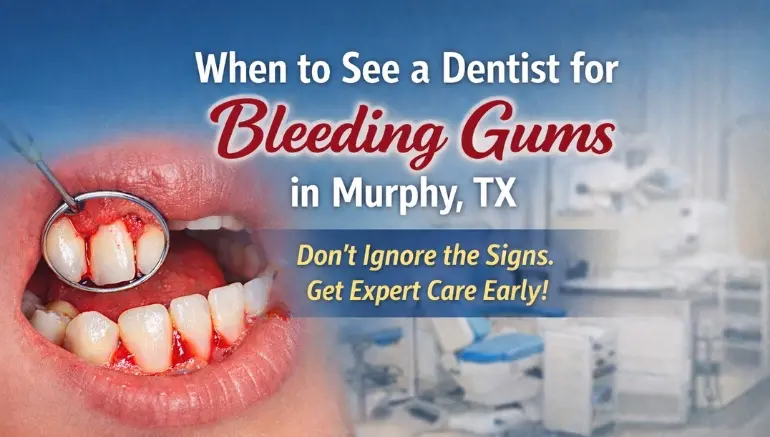
Bleeding gums often start as a small concern, a little pink in the sink after brushing or flossing. Many people ignore it, assuming they brushed too hard or used the wrong toothbrush. But when gums bleed repeatedly, it can signal inflammation, infection, or early gum disease that requires professional attention. What seems minor today can quietly progress into a more serious dental problem.
If you notice bleeding along with swelling, tenderness, or persistent bad breath, your mouth may be warning you about deeper issues beneath the gum line. Healthy gums should not bleed during daily oral care. Understanding when to seek help from a dentist for bleeding gums can protect your teeth, prevent bone loss, and stop long-term complications before they develop.
Why Bleeding Gums Should Never Be Ignored
Bleeding gums are commonly linked to plaque buildup and gum inflammation. When plaque is not removed properly, bacteria irritate the gum tissue, causing redness and bleeding. Over time, this inflammation can develop into gingivitis and eventually periodontitis, which may damage the supporting bone around your teeth. Visiting a dentist for bleeding gums early helps prevent complications and protects long-term oral health.
Ignoring gum bleeding can lead to:
- Gum recession
- Tooth sensitivity
- Persistent bad breath
- Swollen or tender gums
- Pain while chewing
- Formation of deep gum pockets
- Loose teeth
- Increased risk of tooth loss
Common Causes of Bleeding Gums
Bleeding gums can develop due to several underlying dental and health-related conditions. Identifying the root cause early helps prevent long-term damage and supports faster recovery. Below are the most common causes explained clearly and step by step:
1. Poor Oral Hygiene
Plaque buildup along the gum line is the most common cause of bleeding. When bacteria accumulate, gums become inflamed, irritated, and sensitive to brushing. Without proper cleaning, plaque hardens into tartar, which further worsens gum inflammation and increases bleeding risk.
2. Gingivitis
Gingivitis is the earliest stage of gum disease and commonly causes bleeding during brushing or flossing. Gums may appear red, swollen, and tender due to bacterial irritation. At this stage, the condition is reversible with professional cleaning and consistent oral hygiene care.
3. Periodontitis
If gingivitis is left untreated, it can progress into periodontitis, a more serious gum infection. This condition damages the soft tissue and bone that support your teeth. Deep pockets form between the teeth and gums, trapping bacteria and leading to ongoing inflammation and bleeding, which may require evaluation by the best Periodontist in Murphy for advanced care and management.
4. Brushing Too Hard
Using a hard-bristled toothbrush or brushing aggressively can injure delicate gum tissue. Repeated trauma weakens the gum line and causes bleeding. Switching to a soft-bristled brush and using gentle circular motions can significantly reduce irritation.
5. Hormonal Changes
Pregnancy, menstruation, and hormonal fluctuations can make gums more sensitive and reactive to plaque. Increased blood flow to gum tissue may lead to swelling and bleeding. Maintaining excellent oral hygiene during hormonal changes is particularly important.
6. Medical Conditions
Certain health conditions, such as diabetes, blood disorders, or vitamin deficiencies can contribute to gum bleeding. These conditions may slow healing and increase inflammation. Managing overall health plays a vital role in protecting gum tissue.
Early Signs of Gum Disease You Should Not Ignore
Paying close attention to subtle changes in your gums can help protect your smile and support long-term dental care in Murphy before minor inflammation turns into advanced gum disease. Watch for these warning signs:
- Red, swollen, or tender gums
- Bleeding while brushing or flossing
- Persistent bad breath
- Receding gum line
- Pain while chewing
- Pus between teeth and gums
- Loose or shifting teeth
- Increased tooth sensitivity
When to See a Dentist for Bleeding Gums
Gum bleeding that happens regularly is a clear signal that something is not right. Although mild irritation can occasionally occur, bleeding that continues or worsens may indicate infection or progressing gum disease. Seeking early evaluation allows timely dentist treatment for bleeding gums before the condition becomes more serious. You should schedule a dental visit if you notice:
- Gums bleeding daily during brushing or flossing
- Bleeding that lasts longer than one week
- Swelling, redness, or tenderness around the gum line
- Receding gums exposing more of the tooth surface
- Persistent bad breath despite proper brushing
- Pain while chewing or sensitivity near the gums
- Loose or shifting teeth
- Pus or discharge between the teeth and gums
Treatment Options for Bleeding Gums
Treatment depends on the severity of the condition. In advanced stages of gum infection, specialized care such as Periodontitis Treatment in Murphy, TX may be recommended to protect the supporting bone and restore gum health. Below are common options explained step by step:
1. Professional Dental Cleaning
A routine cleaning removes plaque and tartar buildup above the gum line. This helps reduce inflammation and allows gums to heal naturally. Early-stage gum disease often improves significantly after professional cleaning.
2. Scaling and Root Planing
This deep cleaning procedure removes hardened tartar from below the gum line. It smooths tooth roots to prevent bacteria from reattaching and promotes gum reattachment. This treatment is commonly used for moderate gum disease and is an effective option for gum disease treatment in Murphy.
3. Antibiotic Therapy
In some cases, localized antibiotics may be placed in gum pockets to reduce bacterial infection. This supports healing alongside deep cleaning procedures and helps control persistent inflammation.
4. Improved Oral Hygiene Routine
Your dentist may recommend proper brushing techniques, flossing methods, and antimicrobial mouthwash to control plaque buildup at home. Consistent daily care plays a major role in preventing recurrence.
5. Surgical Treatment (Advanced Cases)
If periodontitis has progressed significantly, surgical procedures such as flap surgery or bone grafting may be necessary to restore gum and bone health. Early evaluation by a dentist for bleeding gums helps keep treatment simple and effective rather than invasive.
Periodontal Care at Beautiful Smiles in Murphy
Bleeding gums and early signs of gum disease should never be ignored. At Beautiful Smiles in Murphy, patients receive focused periodontal care designed to restore gum health and prevent long-term complications. Early evaluation helps control infection before it affects the supporting bone around your teeth.
Dr. Hassan Asghar provides personalized treatment plans aimed at stopping inflammation and protecting your natural smile. If your gums bleed regularly, schedule a visit with a trusted dentist for bleeding gums to prevent further damage and maintain healthy, stable gums.
Book your appointment today and take the next step toward stronger, healthier gums.
Frequently Asked Questions About Bleeding Gums
Understanding the causes and treatment options for bleeding gums can help you take timely action. Below are common questions patients ask about gum health and when to seek professional dental care.
1. Why do my gums bleed when I brush my teeth?
Gums usually bleed due to plaque buildup along the gum line, which causes inflammation. Early-stage gum disease (gingivitis) is a common reason. If bleeding continues, it’s important to seek professional evaluation to prevent more serious complications.
2. Is bleeding gums a sign of gum disease?
Yes, frequent gum bleeding is often an early warning sign of gum disease. Redness, swelling, and bad breath may also appear. Seeking proper dental care in Murphy can help stop the condition before it progresses to periodontitis.
3. When should I see a dentist for bleeding gums?
You should schedule a visit if bleeding lasts more than a week, happens daily, or is accompanied by pain, swelling, or loose teeth. Early diagnosis can prevent bone damage and reduce the need for complex treatments.
4. What treatments are available for bleeding gums in Murphy?
Treatment options may include professional cleaning, scaling and root planing, antibiotic therapy, and improved oral hygiene guidance. The right approach depends on the severity of the gum condition and overall oral health.
5. Can bleeding gums be reversed?
In early stages like gingivitis, bleeding gums can often be reversed with professional cleaning and consistent oral hygiene. Advanced gum disease may require more specialized periodontal treatment to restore stability and protect your teeth.
How do I contact Beautiful Smiles for bleeding gums treatment?
For bleeding gums or signs of gum disease, call Beautiful Smiles at 469-969-0169 to schedule an appointment. Dr. Hassan Asghar provides thorough evaluation and personalized care to treat gum issues early and prevent further complications.